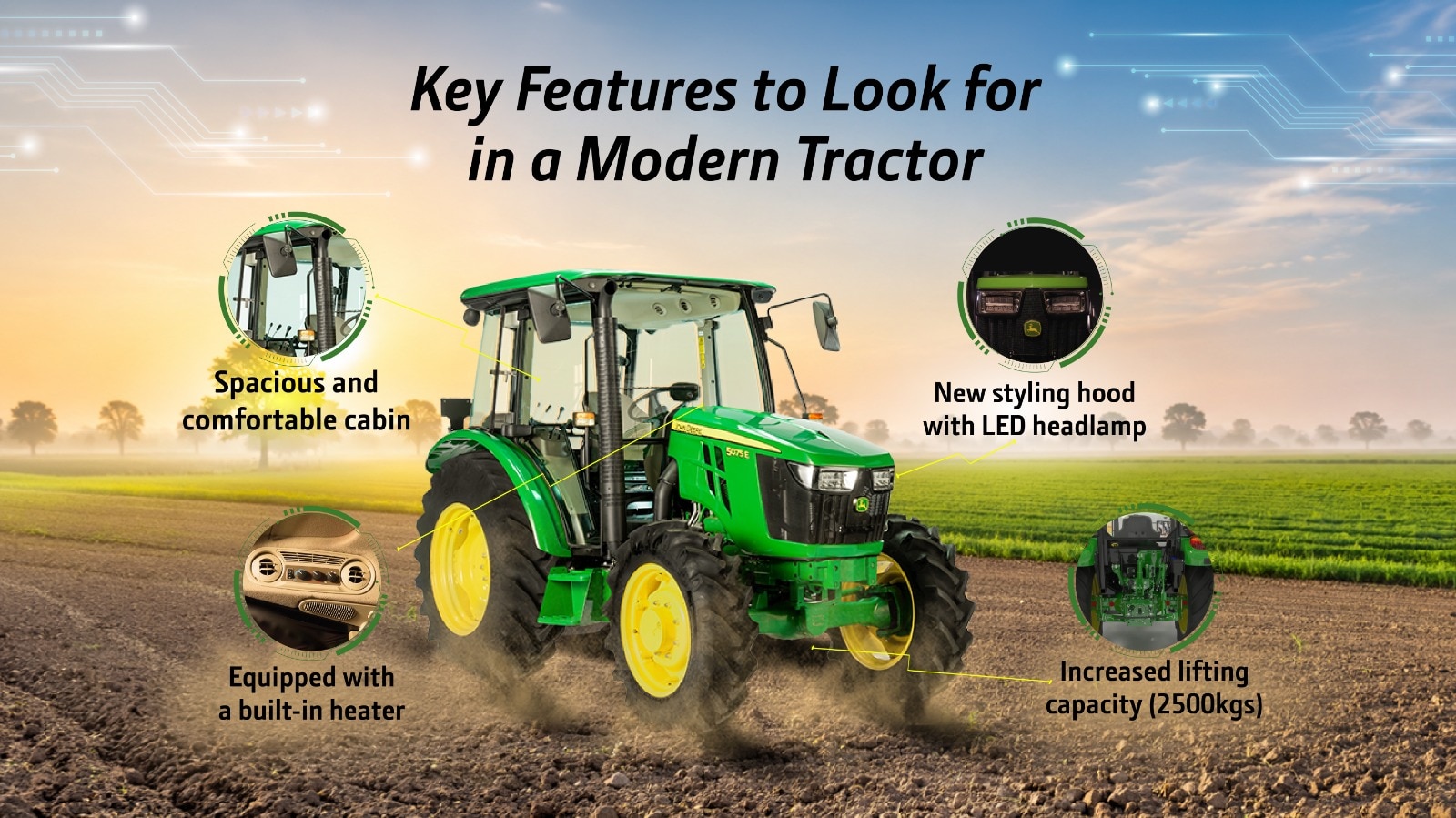
The agricultural landscape in India is evolving rapidly, and so are the machines that power it. Farmers today require equipment that delivers higher productivity, better fuel efficiency, enhanced comfort and advanced technology. As a result, modern tractors are designed to do much more than just pull implements. They have become versatile farming partners capable of supporting multiple agricultural operations throughout the year.
When evaluating a tractor, understanding the right tractor specifications Indian farmers should consider can help make an informed purchase decision. Here are the key features to look for in a modern tractor.
1. Engine Power and Performance
The engine is the heart of any tractor. Choosing the right horsepower depends on the size of your farm and the applications you perform. Modern tractors are equipped with powerful and fuel-efficient engines that can handle a variety of tasks, including tillage, sowing, spraying, harvesting and transportation.
Look for tractors that offer a balance between power and fuel efficiency. Advanced engine technology ensures consistent performance while reducing operating costs, making it an important consideration for Indian farmers.
2. Fuel Efficiency
Fuel expenses account for a significant portion of farming costs. One of the most important tractor specifications Indian farmers evaluate today is fuel efficiency.
Modern tractors are designed with advanced fuel-management systems that optimise fuel consumption without compromising performance. A fuel-efficient tractor not only lowers operating expenses but also increases profitability over the long term.
3. Transmission Technology
The transmission system plays a vital role in ensuring smooth operation across different farming conditions. Modern tractors offer advanced transmission options that provide better speed control, smoother gear shifts and enhanced productivity.
Features such as multiple forward and reverse gears, synchronised transmissions and operator-friendly gear systems help improve field efficiency and reduce operator fatigue during long working hours.
4. Hydraulic Lifting Capacity
A tractor's hydraulic system determines its ability to operate a wide range of implements. Whether you are using rotavators, cultivators, seed drills, balers or other equipment, sufficient lifting capacity is essential.
Modern tractors come equipped with powerful hydraulic systems that provide precise implement control and improved operational efficiency. Farmers should assess hydraulic capacity based on their current and future implement requirements.
5. Comfort and Ergonomics
Long hours in the field can be physically demanding. This is why operator comfort has become a major focus in the design of modern tractors.
Features such as spacious platforms, comfortable seating, easy-to-reach controls, power steering, reduced vibration levels and air-conditioned cabins contribute to a more productive working environment. Improved comfort allows operators to work efficiently for longer periods with less fatigue.
6. Advanced Technology and Connectivity
Technology is transforming agriculture, and tractors are no exception. Many modern tractors now include digital displays, machine diagnostics, GPS compatibility, telematics and connected farming solutions.
These technologies help farmers monitor machine performance, track operations, schedule maintenance and make data-driven decisions. As agriculture becomes increasingly precision-focused, technology-enabled tractors offer a significant advantage.
7. Durability and Reliability
Indian farming conditions can be challenging, ranging from dusty environments to heavy workloads. Therefore, durability remains one of the most critical tractor specifications Indian buyers should evaluate.
Look for tractors built with robust components, reliable drivetrains and proven engineering. A durable tractor ensures consistent performance, minimises downtime and delivers better returns on investment over its lifetime.
8. Service Support and Maintenance
Even the most advanced tractor requires regular maintenance. Choosing a brand with a strong service network and easy availability of spare parts is essential.
Reliable after-sales support helps reduce downtime and ensures that your tractor remains productive during critical farming seasons. Easy maintenance and timely service contribute significantly to long-term ownership satisfaction.
Conclusion
Selecting the right tractor involves more than simply choosing a horsepower range. Farmers should carefully evaluate engine performance, fuel efficiency, transmission, hydraulics, comfort, technology, durability and service support before making a decision.
As agricultural demands continue to evolve, modern tractors are becoming smarter, more efficient, and more versatile than ever before. Understanding the most important tractor specifications Indian farmers need can help ensure that the chosen tractor delivers maximum productivity, efficiency and value for years to come.