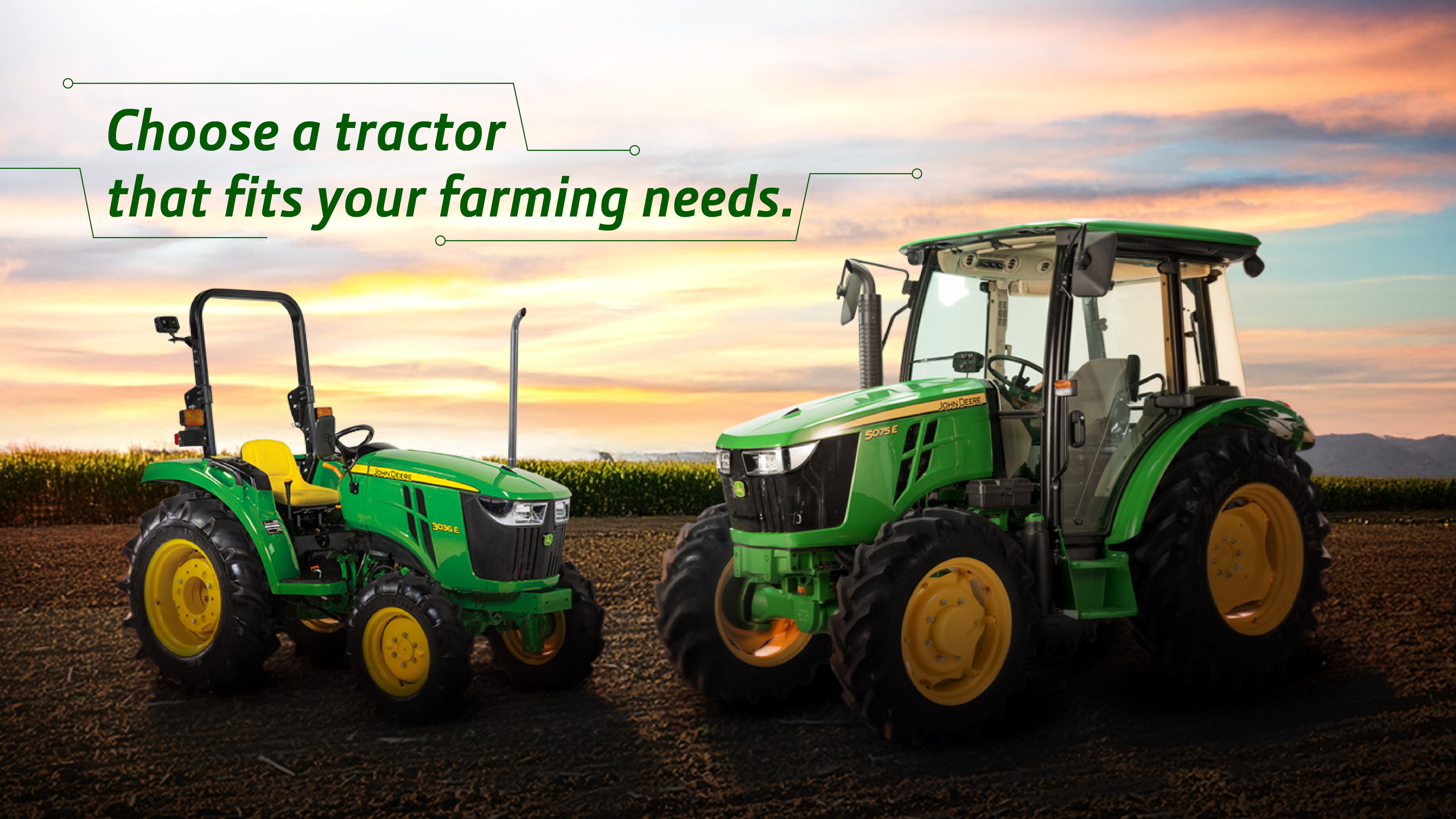
When buying a tractor, many farmers assume that a bigger tractor with higher horsepower will always deliver better results. While power is important, choosing the right tractor size for your farm is more about balance than simply going bigger.
The size of your land, the type of crops you grow and the implements you plan to use all play an important role in selecting the right tractor. A well-informed decision not only improves efficiency in the field but also helps control fuel costs and maintenance expenses.
This simple tractor selection guide will help farmers understand how to choose the right tractor size and horsepower for their farming needs.
Why Tractor Size Matters
A tractor is one of the most important investments on a farm. Selecting the right size ensures that your tractor can handle daily operations comfortably without putting unnecessary load on the machine.
A tractor that is too small may struggle with heavy implements or large fields, slowing down farm operations. On the other hand, a tractor that is too large may consume more fuel and increase operating costs without providing additional benefits for smaller farms.
Modern tractors, including John Deere tractors, are designed to offer power, efficiency and versatility across different farming conditions. Choosing the correct model helps farmers get the best value from their equipment.
Understand Horsepower (HP)
Horsepower, often referred to as HP, is one of the most important factors when selecting a tractor. It determines how much work the tractor can perform.
Different farm tasks require different power levels. For example, light operations such as spraying or transporting small loads require less horsepower, while activities like ploughing, rotavating or pulling heavy implements require higher power.
Understanding how to choose tractor HP depends on matching the tractor’s capacity with your farm requirements.
Tractor Size According to Land Area
The size of your farm is one of the first factors to consider when selecting a tractor.
Small farms (up to 5 acres)
For small farms, compact tractors in the 30–40 HP range are often sufficient. These tractors are suitable for light cultivation, spraying, small trailers and inter-row farming.
Medium farms (5–15 acres)
Farmers managing medium-sized landholdings generally benefit from tractors in the 40–50 HP range. These tractors offer the right balance of power and fuel efficiency and can handle a wider variety of implements.
Large farms (15 acres and above)
For larger farms, tractors with 50 HP and above provide the strength needed for heavy-duty operations such as deep ploughing, large rotavators and multi-purpose field work.
Understanding tractor size according to land helps farmers avoid over-investing in machines that may be larger than necessary.
Consider the Implements You Use
Tractors rarely work alone. Most farm operations depend on implements such as ploughs, cultivators, rotavators, seed drills and trailers.
Each implement requires a certain horsepower range to operate efficiently. For example, larger implements require higher power to work effectively without straining the tractor.
Before purchasing a tractor, farmers should make a list of the implements they plan to use. This approach helps determine which HP tractor is best for their daily operations.
Think About Field Conditions
Field conditions can also influence tractor selection. Farms with uneven terrain, heavy soil or wet conditions may require more power and traction.
For example:
- Heavy soil requires more pulling power during ploughing.
- Hilly or uneven terrain may require better stability and torque.
- Wet or soft soil may require tractors with better traction and tyre grip.
Choosing a tractor suited to your field conditions ensures smoother operation and better productivity.
Fuel Efficiency and Operating Costs
Higher horsepower tractors generally consume more fuel. While they deliver greater power, they may not always be the most economical option for smaller farms.
Selecting a tractor that matches your workload can significantly reduce fuel consumption and operating costs. Efficient machines help farmers complete tasks quickly while keeping running expenses under control.
A John Deere tractor is designed to deliver a balance of performance, fuel efficiency and durability, helping farmers manage field operations with confidence.
Comfort and Ease of Operation
Farm work often involves long hours in the field. A tractor that offers comfortable seating, easy controls and good visibility can make daily operations easier for the operator.
Modern tractors are built with improved ergonomics and operator-friendly features that enhance productivity and reduce fatigue during long working days.
Think Long Term
A tractor is a long-term investment. Farmers should consider future needs as well as current requirements. If you plan to expand your farm, adopt new implements or take on additional farming activities, selecting a slightly higher horsepower tractor may be beneficial.
However, the key is to choose wisely rather than simply choosing the biggest machine available.
Final Thoughts
When it comes to tractors, bigger is not always better. The right tractor is the one that matches your farm size, implements and working conditions.
By following a practical tractor selection guide and understanding how to choose tractor HP, farmers can select a tractor that delivers the right balance of power, efficiency and reliability.
Whether you manage a small farm or large agricultural land, selecting the correct John Deere tractor ensures that every task in the field is completed with confidence and efficiency. The right machine helps farmers save time, reduce operating costs and achieve better productivity throughout the farming season.