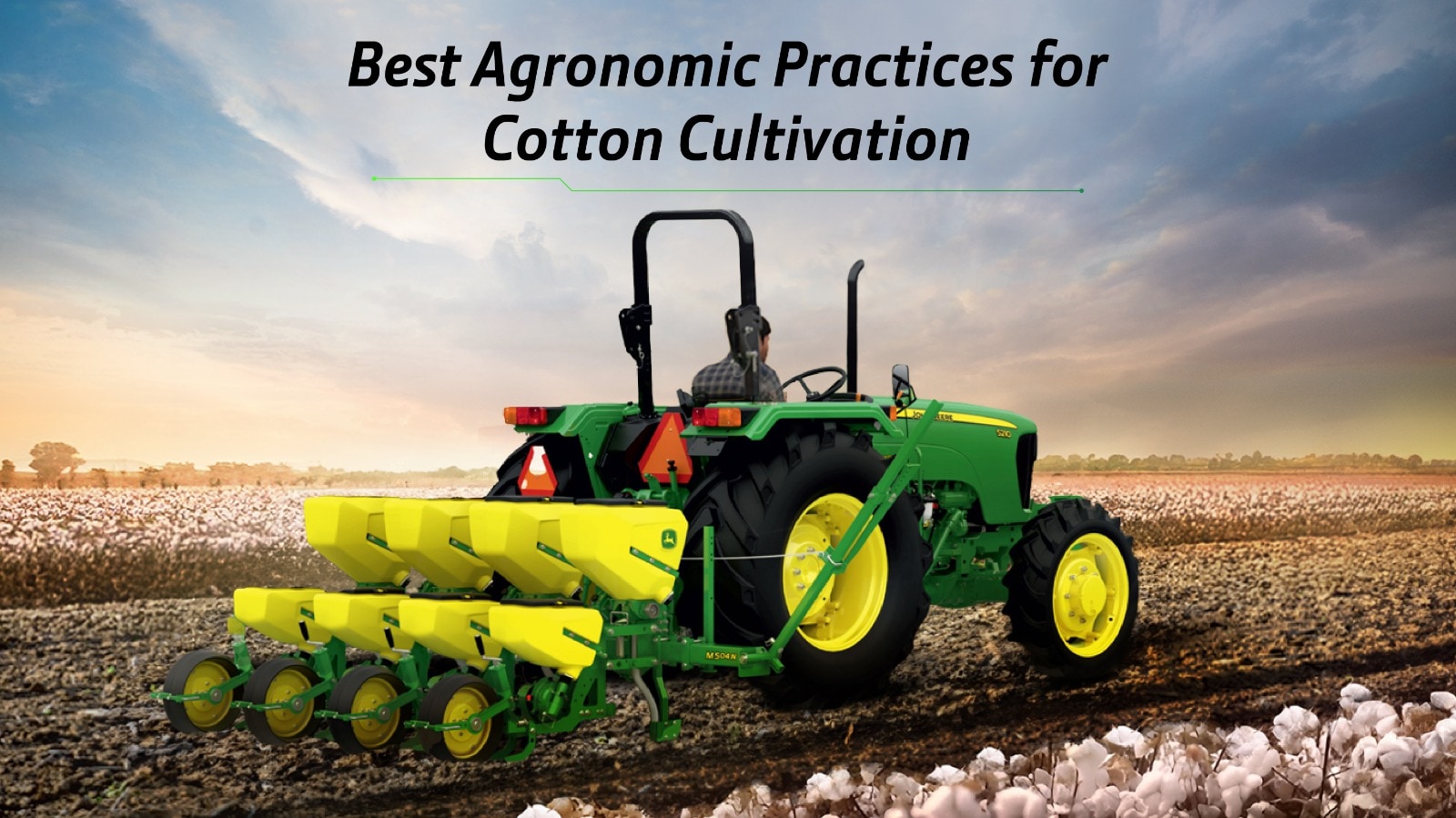
Best Agronomic Practices for Cotton Cultivation: A Guide for Higher Productivity
Cotton cultivation plays a vital role in Indian agriculture, contributing significantly to farmers' incomes and the textile industry. Achieving higher yields and better fibre quality requires more than just selecting the right crop variety. From land preparation to harvesting, adopting the right agronomic practices can help farmers improve productivity, optimise input use and enhance profitability.
Here are some of the best agronomic practices that support successful cotton cultivation.
1. Select the Right Variety for Your Region
The foundation of a successful cotton crop begins with choosing a variety suited to local climatic and soil conditions. Select varieties that offer good yield potential, resistance to prevalent pests and diseases and suitability for the intended growing season.
Consulting local agricultural experts and extension services can help identify the most appropriate cotton varieties for a specific region.
2. Prepare the Land Properly
Good land preparation creates favourable conditions for seed germination and root development. Deep ploughing before sowing helps loosen compacted soil, improves aeration and enables better water infiltration.
Key land preparation practices include:
- Removing crop residues and weeds
- Performing deep tillage where required
- Creating a fine seedbed for uniform germination
- Ensuring proper field levelling for efficient irrigation
Well-prepared fields promote healthy plant establishment and improve crop performance throughout the season.
3. Follow Recommended Sowing Practices
Timely sowing is critical for maximising cotton yield. Delayed planting can expose crops to pest pressure and adverse weather conditions during critical growth stages.
Farmers should ensure:
- Optimum seed spacing for proper plant population
- Recommended row spacing based on variety and local guidelines
- Use of quality, certified seeds
- Proper seed treatment before sowing
Maintaining the right plant population helps ensure efficient utilisation of sunlight, nutrients and moisture.
4. Focus on Balanced Nutrient Management
Cotton is a nutrient-intensive crop. Balanced fertilizer application based on soil testing helps maintain soil fertility and supports healthy crop growth.
Important nutrient management practices include:
- Conducting soil tests before planting
- Applying recommended doses of nitrogen, phosphorus and potassium
- Incorporating organic matter such as farmyard manure or compost
- Monitoring micronutrient deficiencies and correcting them promptly
Balanced nutrition encourages vigorous growth, improved boll development and better fibre quality.
5. Manage Irrigation Efficiently
Water management plays a crucial role in cotton cultivation. Both water stress and excessive irrigation can negatively affect crop performance.
Farmers should:
- Irrigate according to crop growth stages
- Avoid waterlogging in the field
- Monitor soil moisture regularly
- Adopt water-efficient irrigation methods where feasible
Proper irrigation management supports healthy root growth and enhances yield potential.
6. Implement Effective Weed Control
Weeds compete with cotton plants for nutrients, moisture and sunlight. Early weed management is especially important during the initial growth stages.
Recommended approaches include:
- Timely intercultural operations
- Mechanical weed control
- Mulching where suitable
- Integrated use of approved herbicides when necessary
Keeping fields weed-free during critical growth periods can significantly improve crop productivity.
7. Adopt Integrated Pest and Disease Management
Cotton crops are susceptible to various pests and diseases that can affect yield and fibre quality. Integrated Pest Management (IPM) helps reduce crop losses while promoting sustainable farming.
Best practices include:
- Regular field monitoring
- Use of pest-resistant varieties where available
- Encouraging beneficial insects
- Following recommended spray schedules only when required
- Maintaining field sanitation
Timely identification and management of pest issues can help minimise damage and reduce unnecessary input costs.
8. Use Farm Mechanisation for Greater Efficiency
Modern farm machinery can improve operational efficiency and reduce labour dependency across various farming activities. Tractors and implements help ensure timely field operations, which are essential for achieving optimum yields.
Solutions from John Deere India support farmers with reliable tractors and agricultural equipment designed to help perform field preparation, sowing, intercultural operations and other critical farming tasks more efficiently.
Timely operations often translate into better crop establishment and improved overall farm productivity.
9. Harvest at the Right Time
Harvesting cotton at the proper stage helps maintain fibre quality and minimise losses. Delayed harvesting can expose open bolls to weather damage and contamination.
Farmers should:
- Harvest only fully opened bolls
- Avoid picking during wet conditions
- Store harvested cotton in clean, dry locations
- Prevent contamination from leaves, plastic and other foreign materials
Careful harvesting and handling contribute to better market value and quality preservation.
Conclusion
Successful cotton cultivation depends on a combination of sound agronomic practices, timely field operations, balanced crop nutrition, efficient water management and effective pest control. By following these best practices, farmers can improve crop performance, enhance fibre quality and maximise profitability.
With the support of modern agricultural solutions and efficient farm machinery from John Deere India, cotton growers can carry out critical farming operations more effectively and work towards achieving higher productivity season after season.